
In the world of soft drinks, carbonation is a key factor that influences taste, texture, and overall consumer experience. Soft drink manufacturers must carefully monitor the carbonation levels to maintain consistency, quality, and customer satisfaction. This article explores the importance of carbonation in soft drinks, den bruskarbonatiseringstest, and how to measure carbonation levels using industry standards like ASTM F1115.
What Are Carbonation Levels in Soda?
Carbonation is the process of dissolving carbon dioxide (CO₂) gas into a liquid, creating bubbles and effervescence. In soft drinks, carbonation not only provides a fizzy texture but also contributes to the flavor profile and the preservation of the beverage. When CO₂ dissolves in water or soda, it forms carbonic acid, which enhances the drink’s taste, offering a tangy sensation.
For manufacturers, maintaining consistent carbonation levels in soft drinks is crucial. Too little carbonation can result in a flat taste, while excessive carbonation can lead to an overly fizzy or harsh drinking experience. Thus, precise measurement and control of carbonation levels are necessary throughout production, packaging, and storage.
ASTM F1115: The Standard for Measuring Carbonation in Soda
ASTM F1115 is the standard method used to test the carbonation levels in soft drinks and other carbonated beverages. The test involves measuring the amount of dissolved CO₂ gas in the drink, which correlates directly to the level of carbonation. This test is vital for quality control during the manufacturing process, ensuring that beverages maintain the desired effervescence and carbonation consistency.
The Two Procedures for Carbonation Testing in ASTM F1115
ASTM F1115 outlines two main procedures for carbonation testing: Procedure A and Procedure B. Both methods are used to determine carbonation levels in soda, but they differ in complexity and application.
Procedure A: Precision Testing for Package Design
Procedure A is typically used in laboratories during the development of beverage container designs. It focuses on measuring carbonation levels over extended periods, simulating the shelf life of carbonated beverages. The procedure is more complex and requires high-precision equipment, such as micro-pressure transducers and thermocouples, to measure the pressure and temperature of the sealed container.
In this method, the test bottles are filled with carbonated water or soda and sealed tightly. The carbonation loss and carbonation transfer rate are calculated by periodically measuring the initial and final carbonation levels within the sealed container. This method is especially useful for packaging engineers and manufacturers looking to optimize the design of beverage containers to maintain carbonation levels over time.
Procedure B: Routine Quality Control for Production
Procedure B is the more widely used method in beverage filling operations and is often employed for routine quality control. It is simpler and faster than Procedure A, making it ideal for ensuring that each bottle or can has the correct carbonation level during the filling process.
In this method, carbonation levels are measured using a simple manual pressure assembly or an automated CO₂ analyzer. Test bottles are filled with soda, sealed, and exposed to a controlled environment. The CO₂ pressure is monitored to ensure that the correct amount of carbonation is present in each container, maintaining consistent quality across production runs.
Significance of Carbonation Levels in Soft Drinks
Maintaining the right carbonation level is essential for the overall quality of soft drinks. Here are some key reasons why proper carbonation control is necessary:
- Smak og tekstur: The level of carbonation directly influences the taste and mouthfeel of soft drinks. Correct carbonation enhances the crisp, refreshing sensation and balances the sweetness of the beverage. Too little carbonation can make the drink feel flat, while excessive carbonation can lead to an overly sharp or unpleasant taste.
- Packaging and Shelf Life: Proper carbonation helps preserve the freshness of the beverage by reducing the risk of spoilage. A drink that is too flat may be more prone to bacterial contamination, while over-carbonation can cause pressure to build up in the container, leading to potential packaging failure.
- Consumer Satisfaction: Consistency in carbonation levels ensures that every bottle of soda delivers the same high-quality experience to consumers. A sudden change in carbonation levels can negatively impact customer satisfaction and brand loyalty.
The Role of the Cell Instruments Carbon Dioxide Volume Tester CLRT-01
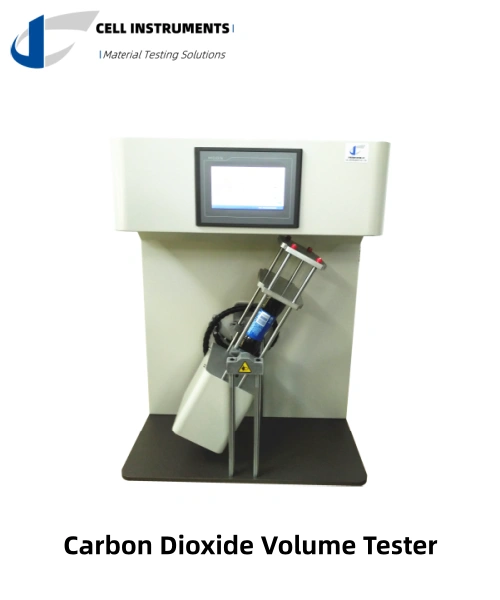
For precise and reliable carbonation testing, the Cell Instruments Carbon Dioxide Volume Tester CLRT-01 is an excellent choice. This advanced instrument provides accurate measurements of CO₂ volumes in carbonated beverages, ensuring that the carbonation levels meet industry standards.
Key Features of the CLRT-01 Tester:
- Accurate CO₂ Measurement: The CLRT-01 ensures accurate and repeatable CO₂ volume measurements, which are essential for maintaining consistent carbonation levels in soft drinks.
- User-Friendly Interface: The tester features an intuitive interface, allowing operators to easily set up and conduct carbonation tests with minimal training.
- Compliant with ASTM F1115: The Carbon Dioxide Volume Tester CLRT-01 complies with the ASTM F1115 standard, making it a reliable choice for quality control in the soft drink industry.
- Efficient Testing: The CLRT-01 provides fast results, allowing for high-throughput testing in production environments, ensuring that each batch of soda meets the desired carbonation standards.
Konklusjon
Carbonation levels are a crucial aspect of soft drink production. Whether you are developing new packaging designs or conducting routine quality control, accurate measurement of carbonation is essential for maintaining the quality and consistency of beverages. The bruskarbonatiseringstest following ASTM F1115 provides an effective method for assessing carbonation levels, ensuring that soft drinks meet the desired taste, texture, and shelf life requirements.
For reliable and precise carbonation testing, the Cell Instruments Carbon Dioxide Volume Tester CLRT-01 offers an ideal solution, ensuring your soft drink products maintain the highest quality standards.
 NB
NB  EN
EN  AR
AR  BG
BG  CS
CS  DA
DA  DE
DE  EL
EL  ES
ES  ET
ET  FI
FI  FR
FR  HU
HU  ID
ID  IT
IT  JA
JA  KO
KO  LT
LT  LV
LV  NL
NL  PL
PL  PT
PT  RO
RO  RU
RU  SK
SK  SL
SL  SV
SV  TR
TR  UK
UK