kaasun tilavuuden mittaus
ASTM F1115
kaasun tilavuuden mittaus
ASTM F1115
ASTM F1115 on alan standardimenetelmä, jolla arvioidaan hiilihappopitoisuudet pullotetuissa juomissa. Tarkan hiilihapotuksen säilyttäminen on ratkaisevan tärkeää maun, rakenteen ja tuotteen kokonaislaadun kannalta. Käyttämällä kaasun tilavuusmittari tai hiilihappotesteri, juomavalmistajat voivat määrittää CO₂-pitoisuuden, seurata hävikkiä ja optimoida pakkausprosesseja, jotta tuotteen suorituskyky säilyy tasaisena.
kaasun tilavuuden mittaus
ASTM F1115 -testien tarkoitus
ASTM F1115 -testien tarkoituksena on määrittää juomien alkuperäinen ja lopullinen hiilihappopitoisuus valvotuissa olosuhteissa. Tällä tavoin valmistajat voivat:
- Varmista, että juomasäiliöt säilyttävät hiilihappoisuuden varastoinnin ja kuljetuksen aikana.
- Arvioi pullon sulkimien, korkkien ja tiivisteiden toiminnallinen suorituskyky.
- Tuotteiden laadun ja säilyvyyden seuranta sekä tuotannossa että jakelussa.
Hiilihapotuksen häviäminen tai siirtymisnopeus on ratkaiseva mittari, joka vaikuttaa makuun, kuohuvuuteen ja kuluttajien tyytyväisyyteen. Tarkalla testauksella varmistetaan, että juomat täyttävät lakisääteiset vaatimukset ja tuotemerkin laatustandardit.
kaasun tilavuuden mittaus
Testimenettelyn yleiskatsaus
ASTM F1115:ssä esitetään kaksi menettelyä:
Menettely A - Kehittäminen ja pakettien arviointi
- Keskittyy juomapakkausten suunnitteluun ja toiminnalliseen arviointiin.
- Käyttää herkkiä mittalaitteita, kuten mikropaineantureita ja termopareja, mitatakseen suljettujen pullojen paineen ja lämpötilan.
- Voidaan käyttää pulloja, joissa on rullakorkit, joissa on kumiset väliseinät, jotka on lävistetty injektioneuloilla, jotka on liitetty paineantureihin.
- Soveltuu laboratorioille, joilla on kokemusta tarkkuusanalyyttisestä testauksesta.
Menettely B - Tuotannon laadunvalvonta
- Yksinkertaisempi, laajalti käytetty menetelmä juomien täyttötoiminnoissa.
- Mittaa hiilihapotustasoa käyttämällä manuaalinen painekokoonpano tai automaattinen CO₂-analysaattori.
- Varmistaa, että jokainen erä säilyttää halutun CO₂-täyttöpaineen, mikä vaikuttaa suoraan makuun ja laatuun.
Hakemusmateriaalit
ASTM F1115 koskee ensisijaisesti hiilihapotettuja juomia, mukaan lukien:
- Virvoitusjuomat ja limsat
- Kuohuvesi ja kivennäisvesi
- Olut ja muut käymisteitse valmistetut juomat
- Maustetut hiilihapolliset juomat
Menetelmällä varmistetaan yhdenmukaisuus lasi-, PET- tai alumiinipakkauksissa, ja siinä otetaan huomioon sulkintatyyppien vaikutus hiilidioksidin pidättymiseen.
kaasun tilavuuden mittaus
Karbonatisoitumistestauksen merkitys ja hyödyt
ASTM F1115 soveltuu erilaisiin hiilihapotettuihin juomiin, mukaan lukien:
- Virvoitusjuomat ja maustetut limsat
- Kuohuva kivennäis- ja juomavesi
- Olut ja muut käymisteitse valmistetut juomat
- Juomavalmiit hiilihapolliset teet ja mehut
Menetelmää voidaan soveltaa seuraaviin pakkaustyyppeihin, kuten lasipullot, PET-pullot, ja alumiinitölkit, ottaen huomioon sulkimen rakenteen ja materiaalin vaikutus hiilihapotuksen pidättymiseen.
ASTM F1115 Vaatimustenmukaisuus: F1111: Miksi sillä on merkitystä
ASTM F1115 -standardin noudattaminen varmistaa, että valmistajat säilyttävät tasainen hiilihapotus, parantaa pakkaustehokkuus, ja toimittaa tuotteita, jotka vastaavat kuluttajien odotuksia. Standardoidun testauksen integroiminen CLRT-01:n kaltaisiin nykyaikaisiin mittalaitteisiin antaa juomayhtiöille mahdollisuuden:
- Optimoi pakkaussuunnittelu mahdollisimman suuren CO₂-pitoisuuden saavuttamiseksi.
- Suoritetaan vertailevia tutkimuksia eri tuotantoerien välillä.
- Näyttö hiilihappopitoisuudet reaaliaikaisesti laadunvarmistusta varten.
- Suojaa tuotemerkin maine varmistamalla, että jokainen pullo täyttää halutut standardit.
kaasun tilavuuden mittaus
Laitesuositukset
Integrointi Cell Instruments-hiilitestauslaitteiden kanssa
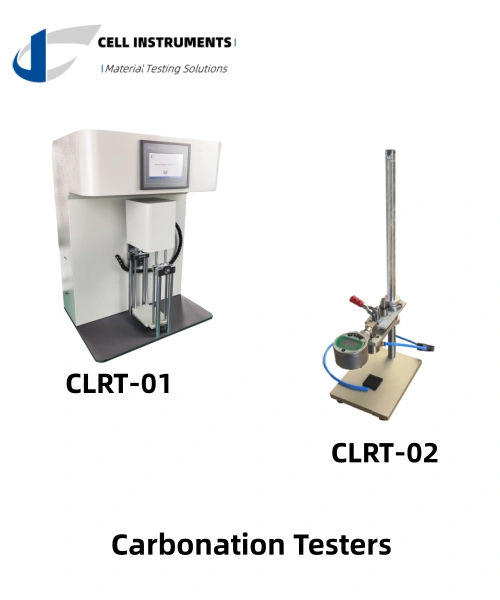
CLRT-01 Automaattinen hiilihappotesteri
- Suunniteltu korkean läpimenon laboratorioihin ja tuotantolinjoihin.
- Tarjoaa täysin automatisoitu mittaus karbonatisoitumistasot, mukaan lukien paineen ja lämpötilan seuranta menettelyn A testausta varten.
- Tukee tietojen kirjaaminen, tilastollinen analyysi ja liitettävyys laadunhallintajärjestelmien kanssa.
- Ihanteellinen juomien valmistajille, jotka haluavat johdonmukaiset, toistettavat ja nopeat mittaukset useissa pakkaustyypeissä.
CLRT-02 Käsikäyttöinen hiilihappotesteri
- Luotettava ratkaisu pienempiin laboratorioihin tai laadunvalvonta-asemille.
- Mahdollistaa operaattoreille manuaaliset hiilihydraattimittaukset näytteen käsittelyn tarkka hallinta.
- Sopii Menettelyn B testaus, joka tarjoaa yksinkertaisen ja kustannustehokkaan lähestymistavan hiilihappopitoisuuden seurantaan.
- Tukee erilaisia juomapakkauksia, kuten PET-pulloja, lasipulloja ja tölkkejä.
Tarjoamalla sekä automaattisia että manuaalisia vaihtoehtoja Cell Instruments varmistaa, että kaikkien mittakaavojen juomien valmistajat voi ylläpitää tarkkaa hiilihapotuksen mittausta, optimoida pakkaustehon ja taata tuotteen laadun. Näiden testerien avulla laatutiimit voivat nopeasti tunnistaa poikkeamat, parantaa sulkemisjärjestelmiä ja ylläpitää tasaisia CO₂-tasoja juomien koko säilyvyysajan.
Usein kysytyt kysymykset ASTM F1115:stä ja karbonatisoitumistestauksesta
1. Miksi hiilihapotuksen mittaaminen on tärkeää juomissa?
Tarkka hiilihapotuksen mittaus varmistaa, että juoma säilyttää halutun maun, suutuntuman ja säilyvyyden. Virheellinen hiilihapotus voi vaikuttaa kuluttajakokemukseen, tuoteturvallisuuteen ja säännösten noudattamiseen.
2. Mihin ASTM F1115 -testimenetelmää käytetään?
ASTM F1115 -standardia käytetään juomapakkausten hiilihappoisuuden määrittämiseen arvioimalla sekä hiilihappohäviötä että hiilihapon siirtymisnopeutta. Se auttaa valmistajia pakkausten suunnittelussa ja tuotteiden tasaisen laadun ylläpitämisessä.
3. Mitä pakkaustyyppejä voidaan testata ASTM F1115:n mukaisesti?
Menetelmää sovelletaan erilaiset pakkausmuodot mukaan lukien PET-pullot, lasipullot, alumiinitölkit ja pussit. Testeillä voidaan arvioida sulkimien, tiivisteiden ja säiliömateriaalien tehokkuutta CO₂:n pidättämisessä.
4. Voiko ASTM F1115 -testaus ennustaa säilyvyyttä?
Kyllä, ASTM F1115 -testauksen avulla voidaan seurata hiilihappohäviötä ajan mittaan ja saada tietoa siitä, miten juoman hiilihappoisuus voi muuttua varastointiolosuhteissa, mikä auttaa ennustamaan säilyvyyttä ja optimoimaan pakkausta.
 FI
FI  EN
EN  AR
AR  BG
BG  CS
CS  DA
DA  DE
DE  EL
EL  ES
ES  ET
ET  FR
FR  HU
HU  ID
ID  IT
IT  JA
JA  KO
KO  LT
LT  LV
LV  NB
NB  NL
NL  PL
PL  PT
PT  RO
RO  RU
RU  SK
SK  SL
SL  SV
SV  TR
TR  UK
UK